
For Brendon Falconer, transitioning from NCAA track and field to the Olympic Trials was a journey marked by dedication, adaptability, and constant growth. Countless young athletes enter collegiate programs with dreams of reaching the highest level, but the reality of that climb is shaped by hours of training, fierce competition, and the constant need to balance academics with athletics.
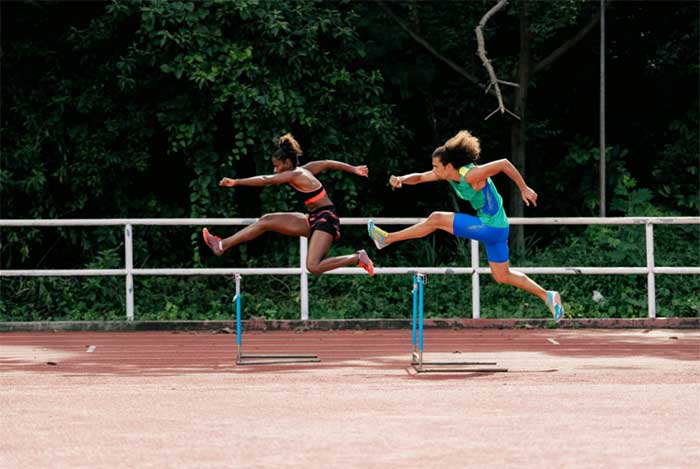
The NCAA provides a unique testing ground where athletes can measure themselves against the best in the country and develop habits that will serve them for years to come. Success at this level often signals readiness for the challenges that lie ahead on the national and international stage, but each step forward demands even greater commitment.
As these athletes move beyond college, they face new expectations and must learn to thrive in a professional backdrop, drawing on the discipline, resilience, and support systems they built during their NCAA careers.
Transitioning from NCAA Podiums to Olympic Trials
Achieving success on NCAA podiums often marks the beginning of a track and field athlete’s journey toward the Olympic Trials. Collegiate competitions offer a unique climate where athletes develop their skills, gain confidence, and learn to perform under pressure. Many athletes discover that the intensity and level of organization in the NCAA closely resemble what they will encounter on the national stage.
Athletes who excel in NCAA championships are frequently seen as strong candidates for the Olympic Trials, as their collegiate performances demonstrate readiness for higher levels of competition. This pathway has become a reliable stepping stone, linking academic pursuits with athletic ambitions. The exposure garnered through NCAA achievements can also attract the attention of sponsors and professional coaches, accelerating their transition into elite athletics.
The Athletes Who Bridged the Gap
Several athletes have recently illustrated how NCAA excellence can translate directly to Olympic aspirations. McKenzie Long, with her outstanding sprinting abilities, earned her spot in the women’s 200m at the 2024 Olympic Trials, clocking an impressive 21.91 seconds. Her journey began with standout collegiate performances that captured national attention and built her confidence for the biggest stage.
Parker Valby’s rise in the distance events showcases how NCAA runners can make an immediate impact at the Trials. Her second-place finish in the women’s 10,000 meters, with a time of 31:41.56, demonstrated not only elite talent but also the ability to handle the pressure of major competitions.
Grace Stark’s transition from NCAA hurdles champion to Olympic team member after running a personal best of 12.31 seconds further proves that collegiate achievements can open doors to international competition. Their stories resonate with young athletes across the country, aspiring to follow in their footsteps, showing that the NCAA-to-Olympics path is very much alive.
Navigating New Challenges
Moving on from the NCAA, athletes quickly encounter fresh hurdles that go beyond the physical demands of the sport. The competition intensifies as they face seasoned professionals, making every race and training session a critical test. Securing sponsorships and financial backing often becomes essential, adding new responsibilities to an athlete’s routine.
Balancing rigorous training with travel, media obligations, and the search for stability can be overwhelming. Still, those who adapt and remain resilient find ways to thrive, using their collegiate experiences as a foundation to build successful professional careers.
Training Approaches for Olympic-Level Performance
Reaching the Olympic stage requires athletes to refine both their bodies and minds, often under the guidance of world-class coaches. The shift in training intensity can be dramatic, with personalized regimens focusing on everything from technical efficiency to mental resilience. Nutrition, recovery, and attention to detail become even more crucial as athletes seek any edge that can separate them from the competition.
Support networks, including sports psychologists and physiotherapists, play a vital role in sustaining peak performance. Athletes often credit the seamless collaboration between their new professional teams and former college mentors as a major factor in their success. The ability to integrate innovative training methods and adapt quickly to new coaching philosophies becomes a distinguishing factor for those aiming for Olympic glory.
The NCAA’s Role in Athlete Development
Collegiate track and field serves as a proving ground, where athletes build a foundation of discipline and receive exposure to high-level competition. The structure of NCAA seasons, with frequent meets and championship pressure, instills a sense of routine and sharpens their competitive instincts.
Many Olympic hopefuls point to these experiences as essential preparation, giving them the poise and tactical understanding needed to compete on larger stages. The camaraderie formed with teammates and the support of dedicated coaches, make the NCAA environment especially impactful during these formative years.
Practical Advice for Future Track and Field Contenders
Aspiring athletes should focus on maximizing every opportunity in college, making the most of quality coaching and available resources. Building relationships with mentors and seeking guidance from those who have navigated the NCAA-to-Olympic path can provide valuable insight.
Staying adaptable and maintaining a clear vision for long-term goals often helps young contenders stay motivated when the journey becomes demanding. Commitment to personal growth, both on and off the track, will serve as a compass during the inevitable ups and downs of an athletic career.